If you have been waking up with a sore jaw, rubbing your temples through another morning headache, or hearing a click every time you open your mouth, you are not alone. These are some of the most common and most ignored symptoms that patients bring to us at Cayman Dental. What many people do not realize is that jaw pain, persistent headaches, and related discomfort often share a single root cause: a problem with the temporomandibular joint, better known as TMJ. The good news is that with the right evaluation and care, most people find real, lasting relief. This guide explains what is happening, what to look for, and how our team at Cayman Dental in the Cayman Islands can help you get back to feeling like yourself again.
Key Takeaways
- Jaw pain and headaches in the Cayman Islands are often linked to TMJ dysfunction and are more common than most people realize.
- Symptoms include jaw clicking, morning stiffness, headaches, neck aches, and difficulty chewing.
- Teeth grinding (bruxism) and stress are frequent triggers that worsen over time without care.
- Cayman Dental diagnoses the root cause of your jaw pain and headaches with a thorough, personalized evaluation.
- Treatments like custom night guards and bite correction offer real, lasting relief and our team is here to guide you every step of the way.
That Nagging Jaw Pain You Keep Ignoring Could Be TMJ
That persistent ache in your jaw, the one you have been brushing off as a temporary annoyance, might be more than minor discomfort. It could be a sign of Temporomandibular Joint (TMJ) dysfunction, a condition that affects the hinge connecting your lower jaw to your skull. Many people seeking dental care in the Cayman Islands carry this pain for months, even years, without connecting it to their jaw.
You might notice clicking or popping when you open your mouth, or a stiffness that is worst when you first wake up. These are classic TMJ symptoms that are easy to dismiss until the headaches, neck tension, and earaches start piling up. The jaw is part of a deeply interconnected system, and when something is off, the effects ripple outward. If you have been experiencing jaw pain and headaches in the Cayman Islands, your body is asking you to pay attention.
What Is TMJ and How Is It Different From TMD?
TMJ stands for temporomandibular joint, the hinge on each side of your face that lets you chew, speak, and yawn. The joint itself is not the problem. When the joint, surrounding muscles, and ligaments start causing pain or dysfunction, that condition is called Temporomandibular Joint Disorder, or TMD. TMJ is the anatomy; TMD is the diagnosis.
Understanding the difference matters because TMD is what gets treated, and it can range from mild muscle tension to more complex bite and joint issues that require professional care.
Why TMJ Problems Are Often Misdiagnosed
TMD is frequently mistaken for other conditions because its symptoms show up in unexpected places. Patients come in thinking they have chronic migraines, an ear infection, or even a sinus problem when the real source is their jaw. Common signs that often get misattributed include tension-style headaches, ear fullness or ringing, and neck and shoulder stiffness.
This is exactly why so many people in the Cayman Islands go undiagnosed for so long. Without a dental professional specifically evaluating jaw function, the root cause stays hidden while the symptoms keep building.
Warning Signs You Should Not Ignore
Jaw problems rarely announce themselves clearly. More often they creep in as vague discomfort that gradually gets harder to ignore. If you have been experiencing any of the following, your jaw may be the common thread:
- Pain or tenderness around your jaw joint, temples, or face
- Clicking, popping, or grating sounds when opening or closing your mouth
- Difficulty opening your mouth fully or a jaw that locks
- Headaches concentrated at the temples or forehead
- Neck and shoulder stiffness that never fully goes away
- Ear pain or a persistent ringing sensation
- A jaw that feels tight or sore first thing in the morning
None of these symptoms should be dismissed as normal. They are your body’s way of signaling that something in your jaw system needs attention.
The Jaw-Headache Connection Most People Miss
Most people reach for a painkiller when a headache hits and move on. What they do not realize is that the temporalis muscle, the large muscle that fans across your temple, is directly involved in jaw movement. When your jaw joint is not functioning correctly, this muscle stays in a state of tension, and that tension translates into headaches that feel exactly like stress or tension headaches.
This is one of the most commonly missed connections in dentistry. Patients who have been managing frequent headaches with medication for years are sometimes surprised to discover that the source was their jaw all along. If your headaches cluster around your temples, worsen when you chew, or are worst in the morning, TMD deserves serious consideration.
Teeth Grinding, Sleep Problems, and Morning Headaches
Bruxism, the habit of grinding or clenching your teeth usually during sleep, is one of the most common contributors to jaw pain and headaches in Grand Cayman. Most people who grind have no idea they do it. The signs tend to show up the next morning: a sore, tight jaw, headaches concentrated at the temples, and teeth that look increasingly worn or chipped. A partner mentioning grinding sounds at night is often the first real clue.
The problem with bruxism is that it creates a cycle. Grinding strains the jaw joint and surrounding muscles, which leads to pain and inflammation, which often increases with stress, which in turn drives more grinding. Without intervention, the cycle continues and symptoms worsen over time.
Recognizing yourself in these symptoms? Book a jaw pain consultation at Cayman Dental today.
How Cayman Dental Identifies the Root Cause of Your Jaw Pain
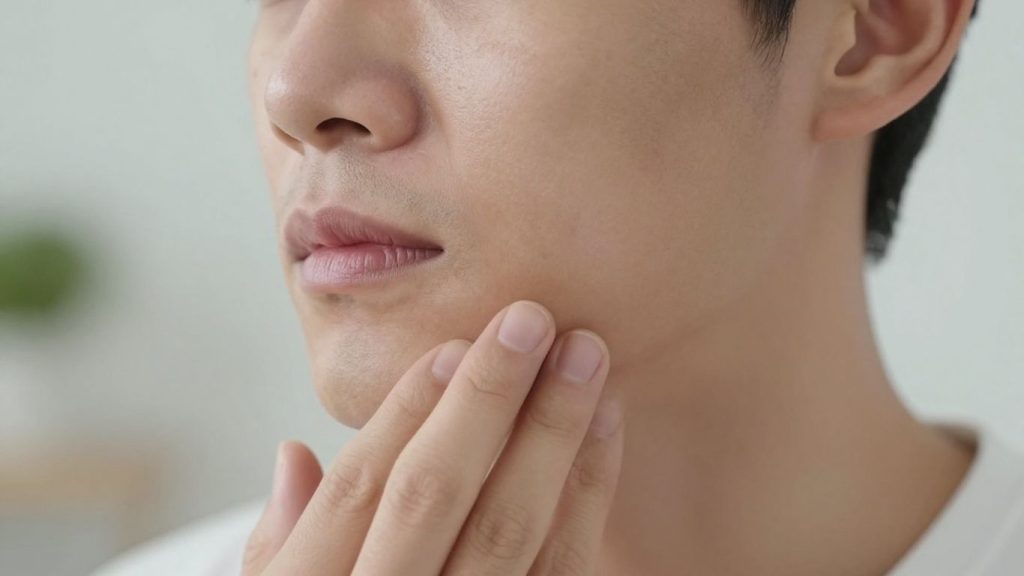
Figuring out why your jaw hurts and why that pain is spreading to your head and neck takes more than a quick look. At Cayman Dental, our evaluation begins with a real conversation. We ask about your symptoms, when they started, what makes them better or worse, and how they affect your daily life. This context is essential to understanding the full picture of your jaw health.
From there, we conduct a thorough physical examination. We assess how your jaw moves, listen and feel for clicking or restricted motion, and gently palpate the muscles in your jaw, face, and neck for tenderness or tightness. We also evaluate how your upper and lower teeth come together, because bite misalignment is a frequent contributor to chronic jaw pain that many patients across the Cayman Islands have been living with unnecessarily. When needed, we use imaging such as X-rays to get a clearer look at joint structure.
For patients where anxiety around dental visits is a concern, our sedation dentistry options ensure your evaluation is completely comfortable from start to finish.
This careful, step-by-step process allows us to pinpoint whether your discomfort stems from muscle tension, joint issues, bite problems, or a combination, so that any treatment we recommend is genuinely matched to what your jaw actually needs.
Treatment Paths That Actually Bring Relief
The good news about jaw pain and TMD symptoms is that most cases respond well to conservative, non-surgical treatment. At Cayman Dental, we start with the least invasive approach and build from there based on your specific situation.
Custom Night Guards and Oral Orthotics
For patients whose jaw pain and morning headaches are linked to nighttime grinding or clenching, a custom-fitted night guard is often the first and most effective step. Unlike over-the-counter guards from a pharmacy, the orthotics we fit at Cayman Dental are precisely shaped to your bite, designed to reduce muscle strain, protect your teeth from grinding damage, and guide your jaw into a more relaxed position while you sleep. Many patients notice a meaningful reduction in morning headaches and jaw soreness within the first few weeks of consistent use.
When Bite Correction Becomes Part of the Plan
In cases where jaw pain stems from a misaligned bite rather than muscle tension alone, longer-term correction may be part of the picture. This can involve orthodontic treatment such as Invisalign, which Cayman Dental also offers, to gradually bring the teeth and jaw into better alignment. Bite correction addresses the structural source of the problem rather than managing symptoms, and for the right patients, it makes a significant long-term difference.
For a full overview of the diagnostic methods and treatment options our specialists use, including TENS therapy and custom neuromuscular orthotics, visit our neuromuscular dentistry in the Cayman Islands page.
Ready to stop managing the pain and start fixing it? Call us at 345-945-4447 or request an appointment online and our team will take it from there.
Living With Jaw Pain Is Not Your Only Option
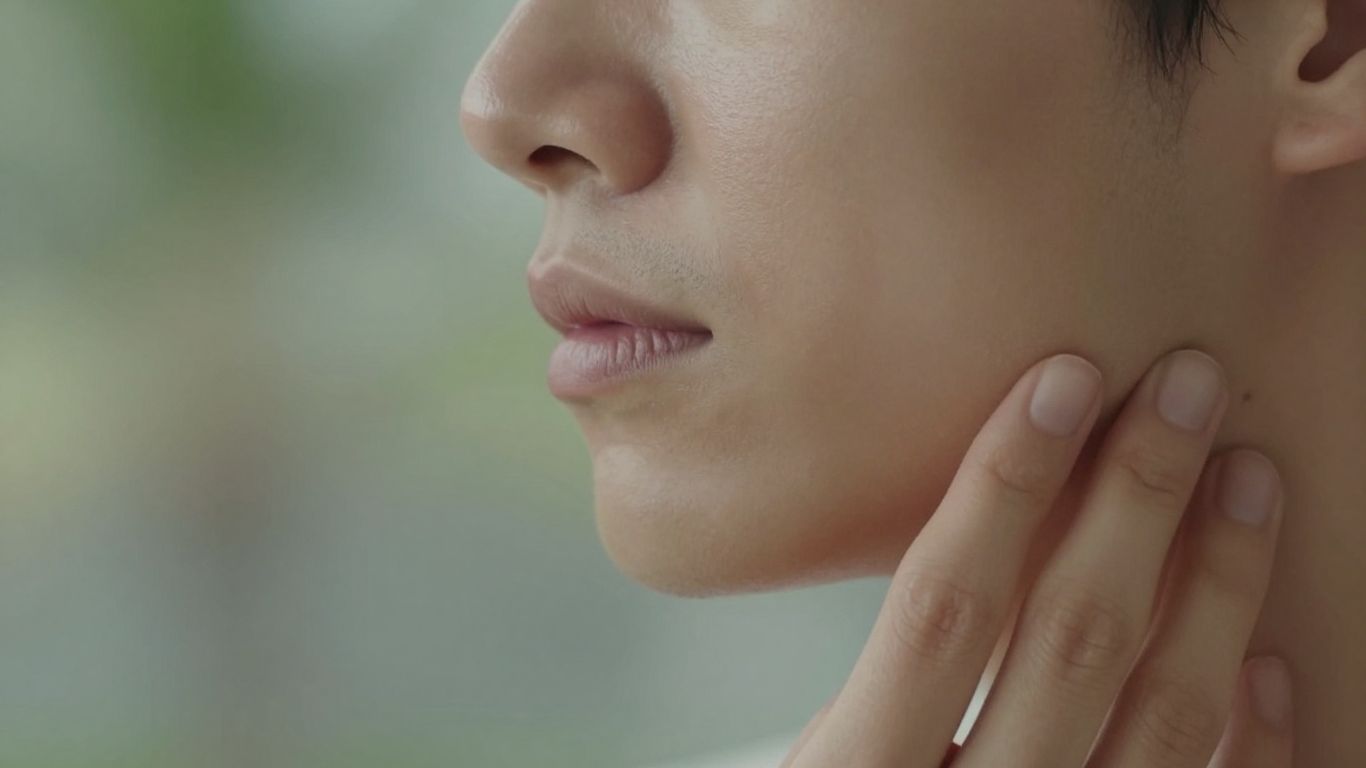
Jaw pain, morning headaches, and the constant tension that comes with TMD are not things you simply have to accept. These are real, diagnosable, and treatable conditions, and most people who seek care find meaningful relief without surgery or long-term medication.
At Cayman Dental, our experienced team has helped many patients across Grand Cayman rediscover what it feels like to wake up without a sore jaw, eat without discomfort, and get through the day without headache medication. If you would like to know more about the people who will be caring for you, visit our Meet the Team page. Chronic jaw pain relief in the Cayman Islands is possible, and it often starts with one honest conversation about your symptoms.
Book Your Jaw Pain Consultation at Cayman Dental Today
If jaw pain and headaches have become part of your daily life, it is time to find out why. Our team is ready to listen, evaluate, and guide you toward a treatment plan that makes sense for you and your lifestyle.
Call Cayman Dental today at 345-945-4447 or contact us online to schedule your consultation. Same-week appointments are available for new patients.
To learn more about the specialist approach we use for jaw and bite-related conditions, visit our neuromuscular dentistry in the Cayman Islands page.
Frequently Asked Questions
How do I know if my headaches are caused by TMJ?
Check the timing and location. TMJ-related headaches are typically worst in the morning, concentrate around the temples or forehead, and worsen with jaw activity like chewing or clenching. They closely mimic tension headaches, which is why they go undiagnosed for so long. If that pattern sounds familiar, a professional evaluation at Cayman Dental can confirm whether your jaw is the source.
Can jaw pain go away on its own without treatment?
Mild jaw pain from a one-off cause like chewing something hard can ease with rest. But if your pain is persistent, recurring, or comes with headaches, clicking, or morning stiffness, it is unlikely to resolve on its own. Untreated TMD typically worsens over time. The earlier it is evaluated, the simpler the treatment tends to be.
What should I expect at my first appointment at Cayman Dental for jaw pain?
Your first visit is relaxed with no rushed diagnosis. We start by listening to your full symptom history, then assess your jaw joint, surrounding muscles, and bite alignment. Imaging may be recommended depending on what we find. You will leave with a clear picture of what is causing your discomfort and what your options are.
How long does it take to get relief from TMJ treatment?
Patients using a custom night guard for grinding-related pain often notice improvement within two to four weeks. Cases involving bite misalignment may take longer. Most patients find that headache frequency and jaw soreness begin decreasing early in treatment, even before the underlying issue is fully resolved.
Is jaw pain treatment covered by dental insurance in the Cayman Islands?
Coverage varies by provider and plan. Some plans cover night guards and diagnostic assessments; others classify TMD as a medical condition, which affects how claims are handled. We recommend checking with your insurer beforehand. Our team at Cayman Dental will always be transparent about costs before any treatment begins.
Can stress really cause jaw pain and headaches
Yes, and it is more common than most people realize. Stress leads many people to clench or grind their teeth without noticing, which strains the jaw joint and surrounding muscles over time. That tension spreads into the head, neck, and shoulders. Stress management helps, but established TMD usually needs professional treatment alongside it. At Cayman Dental, we look at the full picture, including what your daily life may be contributing to your symptoms.