Key Takeaways
Oral surgery covers several treatments involving teeth, gums, jawbone, and the surrounding tissues. The right procedure depends on the diagnosis, your medical history, and the condition of the tooth or jaw.
- Oral surgery may address damaged, infected, impacted, or difficult-to-treat teeth.
- Tooth extraction is planned only after an examination and discussion of alternatives.
- Wisdom tooth removal often depends on the tooth’s position and effect on nearby structures.
- Recovery is usually guided by clear instructions about bleeding, eating, cleaning, and activity.
- A consultation is the best way to clarify treatment, sedation, timing, and cost in Grand Cayman.
What Is Oral Surgery?
Oral surgery is dental treatment that involves a procedure rather than routine cleaning, fillings, or a standard checkup. It can involve the teeth, gums, jawbone, or other tissues in and around the mouth. Some procedures are relatively simple, while others require more detailed planning and follow-up.
A dentist or oral surgeon may recommend surgery when a tooth cannot be restored predictably, when an impacted tooth is causing trouble, or when the jaw and supporting tissues need additional treatment. The goal may be to remove a source of infection, protect nearby teeth, improve function, or prepare the mouth for later restoration.
Before treatment, the clinician will generally review your symptoms and medical history, examine the area, and use dental imaging when needed. That assessment helps determine whether surgery is appropriate and whether another option could preserve the tooth or address the underlying problem.
Signs You May Need Oral Surgery
Pain is one possible warning sign, but it is not the only one. Swelling, repeated infection, difficulty opening the mouth, a tooth that has fractured below the gumline, or discomfort around a wisdom tooth can all justify an evaluation. Some problems are quiet at first and are found during an examination or on an X-ray.
You should arrange prompt dental advice if swelling is spreading, you have fever, swallowing is difficult, or pain is becoming severe. These symptoms do not automatically mean that surgery is necessary, but they can point to an infection or another issue that should not wait. Early assessment can simplify planning and help prevent a small problem from becoming more complicated. If you’re experiencing jaw pain or TMJ-related symptoms, that can also be worth a separate evaluation.
A consultation also matters when a tooth feels loose, crowded, trapped beneath the gum, or difficult to clean. Bring a list of symptoms, medications, allergies, and previous dental treatment so the appointment can focus on the decision in front of you.
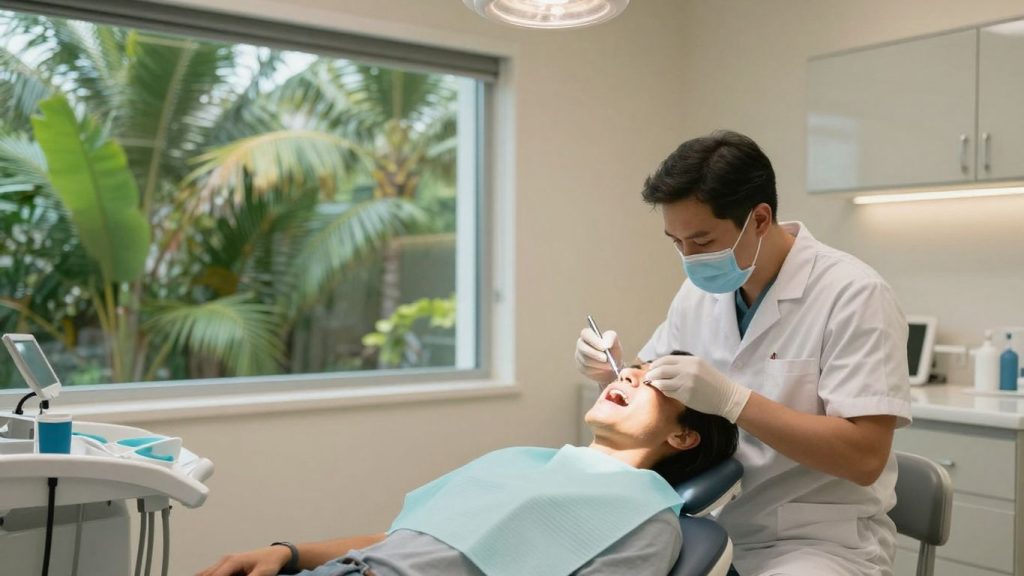
The most useful next step is usually a clinical examination rather than trying to identify the procedure from symptoms alone. A general overview can provide background, but an on-island assessment is needed for personal advice.
Oral Surgery Procedures Available at Cayman Dental in Grand Cayman
Oral surgery can describe a range of treatments, not one single operation. The procedure recommended in Grand Cayman will depend on the tooth or tissue involved, the extent of damage, and the desired result. These are the main categories to discuss during a consultation.
Tooth Extractions in Cayman
A tooth extraction removes a tooth from its socket when it cannot be repaired or when removal is needed for a broader treatment plan. Extractions may be simple when the tooth is visible and accessible, or surgical when the tooth is broken, partially erupted, or otherwise difficult to reach. If you’re exploring oral surgery options in Grand Cayman, ask what imaging is needed and whether tooth replacement should be considered before treatment.
The discussion should cover the reason for removal, the planned anesthesia, possible complications, and what happens to the empty space afterward. Depending on the situation, replacement options may include an implant, bridge, or another restorative approach, but the suitable choice is personal and requires an examination.
Impacted Wisdom Tooth Removal in Cayman
An impacted wisdom tooth is unable to erupt into a useful position because it is blocked by bone, gum tissue, or another tooth. It may remain symptom-free, or it may contribute to pain, inflammation, infection, decay, or pressure on neighboring teeth. Imaging helps show the tooth’s angle and position before removal is planned. According to the U.S. National Library of Medicine, an impacted tooth is one that fails to fully emerge through the gum line and is usually treated by an oral surgeon.
Removal is not decided by age or discomfort alone. The clinician considers the tooth’s condition, available space, cleaning difficulty, and relationship to nearby structures. Ask whether monitoring is reasonable or whether removal would reduce a current or foreseeable risk.
Bone Grafting for Jaw & Implant Support
Bone grafting may be discussed when the jaw does not have enough bone volume or density to support a planned implant treatment. The need depends on the condition of the site and the proposed restoration, so it cannot be determined from a missing tooth alone. Cayman Dental’s dental implant options provide background on the broader tooth-replacement process, while a consultation determines whether grafting is relevant to an individual case.
Planning may involve an examination, imaging, and a staged approach rather than one appointment. Healing time can vary, and the clinician should explain how grafting affects the overall sequence, expected visits, and eventual restoration.
Gum Surgery, Root Canals & Jaw Corrections
Gum surgery, root canal treatment, and jaw correction address different problems, even though all may involve more involved dental care. Gum procedures, including treatment for gum disease, focus on supporting tissues, root canals treat infection or inflammation inside a tooth, and jaw corrections address problems with alignment or function. The treatment name should follow the diagnosis, not simply the level of discomfort.
For jaw-related symptoms, information about jaw alignment treatment may help you prepare questions about bite, movement, and function. It is also worth asking which parts of treatment are completed by the treating clinician and which may involve another dental professional.
What to Expect During Oral Surgery in Grand Cayman
Your appointment usually begins with a review of the treatment plan, health history, medications, and any recent imaging. The clinician will explain what will happen, how the area will be numbed, and what you may feel during and after the procedure. You should have an opportunity to ask about timing, risks, aftercare, and alternatives before consenting.
The procedure itself may involve local anesthesia, an incision, removal of a tooth or tissue, cleaning of the area, and stitches, depending on the treatment. The exact sequence varies considerably. Arrange transport if sedation is planned, and follow any instructions about eating, drinking, or medication beforehand.
Sedation Options for a Comfortable Procedure
Our sedation dentistry options are intended to reduce anxiety and help you remain comfortable; sedation does not replace local anesthesia when numbing is required. The available approach depends on the procedure, your health, medications, and the clinician’s assessment. Ask how alert you will be, how long monitoring will continue, and when you can safely return to work or drive.
A calm appointment also depends on practical preparation. Wear comfortable clothing, share relevant medical information, and tell the team if you have previously felt faint, anxious, or unwell during dental treatment.
Recovery Timeline & Aftercare After Oral Surgery
Recovery varies with the procedure, the number of teeth treated, and your general health. Mild soreness, swelling, bruising, and limited jaw movement can occur after some operations, with symptoms often changing over the first several days. Your clinician will tell you what is expected and which signs require a call.
For the first day, protect the surgical site and follow the instructions you receive about gauze, rinsing, brushing, food, and prescribed or recommended medication. Avoid smoking and strenuous activity if advised, and do not disturb a developing blood clot after an extraction. Small aftercare choices matter because they can affect comfort, healing, and your long-term oral health.
Before leaving, make sure you know whom to contact if bleeding does not settle, swelling worsens, pain becomes difficult to control, or you develop fever or other concerning symptoms. Follow-up may be needed to review healing, remove stitches, or continue restorative treatment.

Recovery is easier when you plan ahead: arrange soft foods, keep medications available as directed, and allow time to rest. If your work involves heavy activity or speaking for long periods, ask how soon a normal schedule is sensible.
How Much Does Oral Surgery Cost in the Cayman Islands?
There is no single price for oral surgery in the Cayman Islands. Cost can change with the procedure, complexity, imaging, anesthesia or sedation, number of teeth, laboratory work, medications, and follow-up appointments. A straightforward extraction and a surgical wisdom tooth removal should not be assumed to have the same fee. [Insert your actual typical price range here — even an approximate range like “simple extractions typically start at $X” builds far more trust and converts better than no figures at all.]
Ask for a written estimate that separates the main procedure from related services. It is also useful to ask whether the estimate includes the consultation, X-rays, sedation, stitches, review appointments, and any restoration planned after an extraction. These details make comparisons clearer without reducing the decision to price alone.
Insurance coverage and payment arrangements vary, so check your policy before treatment and ask what documentation may be supplied. The final recommendation should balance clinical need, timing, comfort, and the long-term plan for the tooth or jaw.
Why Choose Cayman Dental as Your Oral Surgeon in Grand Cayman
Choosing an oral surgeon in Grand Cayman begins with finding a practice where the diagnosis and treatment plan are explained clearly. You should feel comfortable asking why a procedure is recommended, whether the tooth can be saved, and what alternatives exist. Clear communication is part of good surgical care.
Our team’s combined expertise in restorative and jaw-related care can be useful when extraction or jaw concerns connect to a wider treatment plan. Our Camana Bay setting may also be convenient for patients arranging an examination and follow-up locally.
The most suitable choice is the one that fits your diagnosis, medical history, comfort needs, and intended outcome — not simply the name of a procedure. Ready to take the next step? Contact Cayman Dental to schedule your oral surgery consultation.
Frequently Asked Questions About Oral Surgery in Cayman
These answers provide general context only. A dental examination and appropriate imaging are needed for advice about a specific tooth.
How do I know if my wisdom tooth is impacted?
A wisdom tooth may be impacted when it cannot erupt fully because it is blocked by bone, gum tissue, or another tooth. Pain and swelling can occur, but some impacted teeth cause no symptoms. Dental imaging is usually needed to confirm the position.
Is oral surgery painful?
Local anesthesia is used to numb the treatment area, although pressure or movement may still be noticeable. Soreness after treatment is common and can often be managed with the recommended aftercare and medication. Tell the dental team if you are anxious or have had difficulty with dental procedures before.
How long does it take to recover from a tooth extraction?
Many people feel most discomfort during the first few days, while the gum continues to heal over a longer period. Recovery depends on whether the extraction was simple or surgical, the tooth involved, and individual healing. Follow the treating clinician’s instructions and attend any recommended review.
Can I eat normally after having a tooth pulled?
Most people begin with soft, cooler foods and gradually return to their usual diet as comfort improves. Avoid disturbing the socket and follow specific guidance about chewing, rinsing, and drinking. Your instructions may differ if the extraction was complex or another procedure was performed.
Are wisdom teeth always removed?
No. Healthy wisdom teeth that are functional, cleanable, and not causing damage may be monitored. Removal is considered when symptoms, disease, crowding, or the tooth’s position creates a meaningful concern.
Can smoking affect healing after oral surgery?
Smoking can interfere with healing and increase the risk of complications after some oral procedures. Follow the clinician’s advice about avoiding smoking and other activities that may disturb the surgical site.
How can I manage dental anxiety?
Tell the dental team about your concerns before treatment. They can explain the procedure, discuss appropriate comfort measures, and clarify sedation or anesthesia options when clinically suitable.
When should I call a dentist after oral surgery?
Contact the dental team if bleeding remains heavy, swelling continues to worsen, pain is not controlled as directed, or fever, breathing difficulty, or trouble swallowing develops. If symptoms are severe or urgent, seek emergency medical care. Do not wait for a routine follow-up when warning signs appear.
Conclusion
Oral surgery in Grand Cayman may involve extraction, wisdom tooth treatment, grafting, gum care, root canals, or jaw-related correction, depending on the diagnosis. A careful consultation helps clarify whether surgery is needed, what the procedure involves, how recovery will be managed, and what it will cost. Bring your questions to an examination so the plan is based on your mouth, health, and goals.
Call 345-945-4447 or contact Cayman Dental today to book your consultation