Key Takeaways
Dental implant costs in the Cayman Islands depend on the treatment you need and what your estimate includes. A careful comparison can help you understand the full commitment before you decide.
- The price depends on the number of implants, the restoration, and any preparatory care.
- Ask whether consultation, imaging, temporary teeth, and follow-up visits are included.
- Compare quotes in the same currency and check how exchange rates and payment fees apply.
- Request an itemized plan and ask what happens if treatment needs to change.
- Include insurance rules, travel, time away from work, and later appointments in your budget.
What dental implants may cost in the Cayman Islands
There is no single price that applies to every dental implant case in the Cayman Islands. Your estimate depends on the treatment plan, the work needed before placement, and the restoration that will sit on the implant. When you research Dental Implants Cost, look beyond a headline figure and ask what it covers. A written estimate is the best starting point for comparing like with like.
Why prices vary between clinics
Clinics may quote for different parts of treatment, so two prices can look far apart while covering different services. One estimate might include planning and a crown, while another lists those separately or leaves some details open until an examination. The number of implants and the need for additional care can also affect the total. Ask each clinic to describe the proposed treatment in the same level of detail before comparing the figures.
How to compare estimates in CI$ and US$
A quote in CI$ and one in US$ should not be compared by the printed number alone. Confirm the currency, the exchange rate used if conversion is needed, and whether your card provider or bank may add a fee. The following questions help make the comparison more practical:
| Quote detail | What to confirm | Why it matters |
|---|---|---|
| Currency | Whether the amount is in CI$ or US$ | Figures are not interchangeable without conversion |
| Exchange rate | Which rate and date are used | Rates may change between quote and payment |
| Payment method | Whether the provider adds a fee | A fee changes what you actually pay |
| Estimate status | Whether the amount is firm or provisional | Further examination may change a preliminary estimate |
Once you have those details, compare the treatment components as well as the converted total. For a separate perspective on estimates, review this explanation of estimate limitations, and ask your own insurer and clinic how their figures apply to your case.
What a published price may include or exclude
A price shown online may describe only one stage of treatment or a particular restoration, rather than the complete course of care. It may not include an initial assessment, imaging, an extraction, a temporary tooth, or later visits. Look for a clear explanation of what the published figure covers, and request a personalized estimate before making financial plans. A clinic’s online information is easier to use when it explains services and next steps clearly; clear dental practice websites can help patients find practical details before contacting a clinic.
What is included in the total treatment cost
An implant restoration is made up of connected parts, and treatment may involve several appointments. Your total can include clinical assessment, planning, placement, the replacement tooth, and care before or after the procedure. The full treatment scope matters more than a single line labelled “implant.” Ask your dental team to show which items are confirmed and which may depend on what they find during treatment.
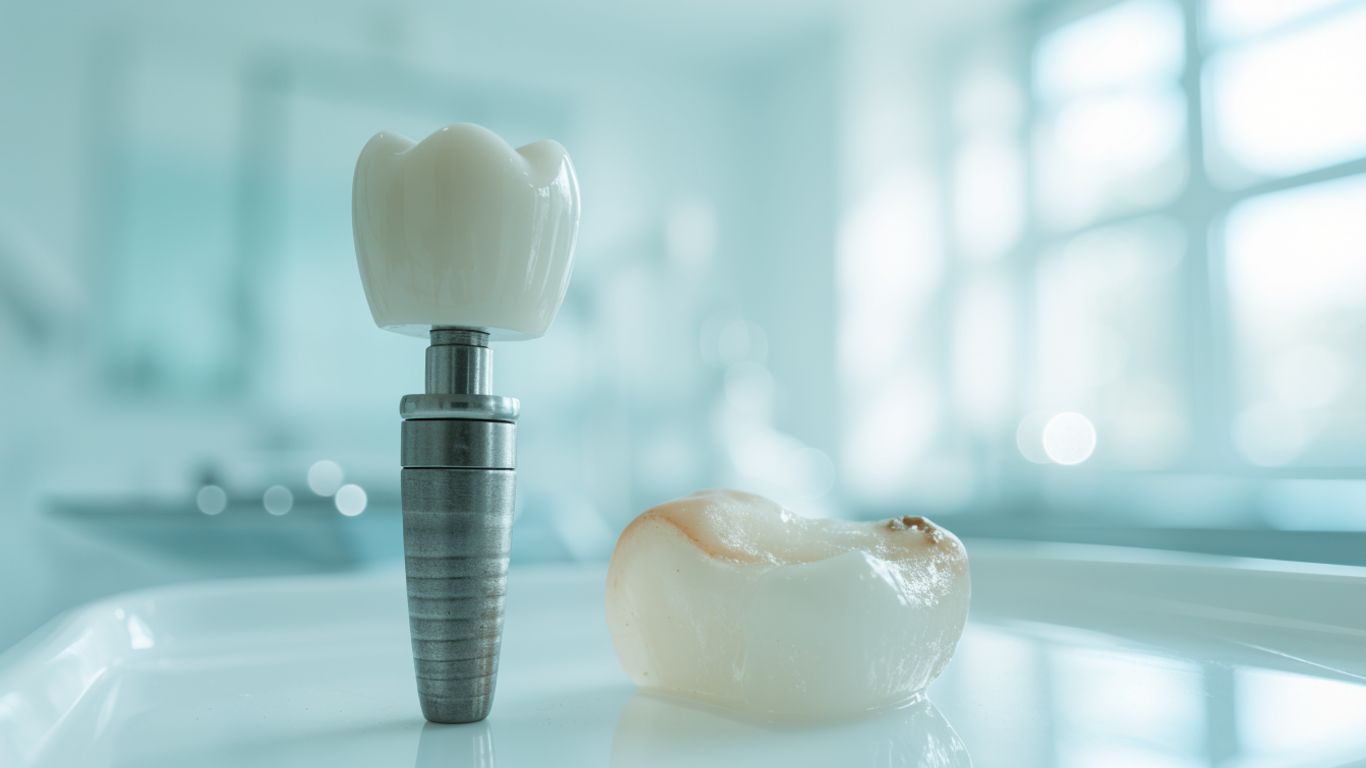
Implant post, abutment, and crown
The implant post is placed in the jaw, the abutment connects the post to the restoration, and a crown may replace a single missing tooth. These components can appear as separate line items or be grouped into one package, so ask how the quote is structured. Confirm the type of restoration proposed and whether the quoted amount includes each component. That detail helps you compare estimates without assuming that similarly named packages cover the same work.
Consultation, imaging, and treatment planning
Your care plan begins with an assessment of your oral health and the area to be treated. Depending on the case, the clinic may recommend imaging and planning before deciding on the next steps. Check whether consultation and imaging fees are already part of the estimate or billed separately. If the plan is preliminary, ask what information or examination is still needed before the clinic can provide a more complete figure.
Extractions, bone grafts, and other preparatory care
If a tooth needs to be removed or the jaw needs additional preparation, that care may affect both the plan and its cost. Whether any preparation is needed can only be determined through an assessment by a dental professional. Ask the clinic to identify known preparatory procedures separately from possible future work, and to explain when those decisions will be made. This makes it easier to see which parts of the estimate are settled and which are conditional.
Temporary teeth and follow-up appointments
Some treatment plans include a temporary tooth or restoration, while others may price it separately or not require one. Follow-up visits can also be part of the treatment process, so ask how many are anticipated and whether they have a separate fee. A clear written plan should explain what happens after placement and whom to contact with questions during healing. Knowing the expected appointment schedule can help you budget for both fees and time away from your usual routine.
How the type of implant treatment affects price
The right comparison depends on how many teeth are being replaced and what kind of restoration is planned. A single-tooth case is not directly comparable with treatment for several teeth or an entire arch. The number of implants alone may not tell the full story because the restoration and the steps around it also matter. Ask the clinician to explain why the proposed option fits your particular needs.
Replacing a single tooth
A single-tooth plan commonly involves an implant post and a restoration such as a crown, but the quoted scope can differ from one clinic to another. Ask whether the figure includes assessment, imaging, the abutment, the crown, and follow-up care. If the tooth needs to be removed or the treatment area needs preparation, clarify whether that is included. The more precisely the plan describes each part, the easier it is to understand the total.
Replacing several teeth
Replacing several teeth may involve multiple implants, a bridge or another restoration, and a different set of planning considerations from a single-tooth case. The treatment plan should explain how many implants are proposed and what type of replacement teeth they will support. If you are reviewing several options, ask the clinic to set out the main differences in care and fees. A video explaining implant treatment can help you prepare questions, but it cannot determine which plan is appropriate for you.
Factors that can change your personal estimate
An estimate reflects the information available when it is prepared, and it may change if an examination identifies additional needs. The extent of treatment, the chosen restoration, and the number of appointments all influence what you may be asked to budget. Ask the clinic to distinguish confirmed fees from possible additional costs. That gives you a clearer basis for planning without treating an early estimate as a final guarantee.

Bone health and the need for grafting
The condition of the treatment area can affect whether additional preparation is recommended. A dental professional can assess whether bone grafting or another procedure may be needed; a general price guide cannot determine that for you. Ask whether the estimate includes any known preparatory care and how a possible additional procedure would be discussed and priced. It is also reasonable to ask when the clinic expects to confirm the plan.
Implant materials and restoration choices
Your estimate may depend on the components and restoration selected for the treatment plan. Ask the clinic to identify the materials or restoration type being proposed and whether there are alternatives to discuss. A quote should make clear whether a change in the restoration would affect the fee. Understanding those choices can help you compare the plan itself rather than focusing only on the total at the bottom of the page.
Case complexity and clinician expertise
Some cases require more planning or clinical steps than others. Ask who will carry out each part of your care, what credentials are relevant to the proposed treatment, and how the clinic handles coordination if more than one clinician is involved. Consider the explanation you receive alongside the price: you should be able to understand the proposed sequence and why it is recommended. A low or high figure by itself cannot establish the quality or suitability of care.
Healing time and the number of visits required
Treatment may involve appointments separated by healing time, and the expected schedule can affect your practical costs as well as the clinical fee. Ask how many visits are anticipated, whether that schedule could change, and which appointments are included in the estimate. If you live elsewhere or have a busy schedule, account for travel and time off as well. Planning around the likely sequence can prevent a treatment budget from overlooking costs outside the clinic.
How to assess a dental implant quote
A useful quote explains not only the price but also the treatment being proposed. If anything is unclear, ask for an explanation before you agree to care or make travel arrangements. It can help to keep written estimates together and compare the same categories across clinics. Give yourself time to ask questions, especially when a quote is provisional or depends on further assessment.
Request an itemized treatment plan
Request a written plan that separates the main stages and services instead of relying on a single package total. This makes it easier to spot missing information and to ask focused follow-up questions. You can use a short set of prompts when reviewing it:
- Which assessment, imaging, and planning fees are included?
- Are placement, the abutment, and the final restoration listed?
- Are extractions or other preparatory procedures included or only possible?
- Which temporary teeth and follow-up appointments are part of the quote?
After you have the answers, ask the clinic to update the plan if the written estimate does not match what was explained to you. Keep the revised version so you can refer to the same scope when discussing payment or insurance.
Check what is covered if complications arise
Ask how the clinic handles an unexpected change in the treatment plan, additional appointments, or care that becomes necessary during healing. The quote may not set out every possible scenario, so request an explanation of what is included and what could lead to an extra fee. You can also ask whom to contact if you have a concern after leaving the clinic. Clear answers help you understand the boundaries of the estimate without assuming that every eventuality is covered.
Ask about payment schedules and financing
Before committing, confirm when each payment is due and whether payments are tied to particular stages of treatment. Ask if the clinic offers a payment arrangement and, if so, request its terms in writing. Check whether the quoted currency matches the currency you will use to pay and whether your payment provider may add conversion or transaction fees. These practical details can affect your budget even when the clinical estimate stays the same.
Compare clinics by credentials, care, and total cost
A fair comparison considers the proposed care, the clinicians involved, how questions are answered, and the overall cost. Check the credentials relevant to your treatment and ask how follow-up care is arranged. Look for clear communication about what is included, what remains uncertain, and what happens if the plan changes. Choosing based only on the lowest displayed figure may leave important differences in scope unexamined.
Insurance and planning for treatment in the Cayman Islands
Insurance and logistics can shape what treatment costs you out of pocket, even when the clinic’s estimate is clear. Check your plan directly rather than assuming that implants or related procedures are covered. If you are travelling for treatment, include the time and cost of returning for appointments in your planning. A written schedule and an itemized estimate can help you discuss both coverage and practical arrangements.
Check your dental plan’s implant benefits and exclusions
Dental plans differ in what they cover, and a benefit for one service does not necessarily mean that every part of implant treatment is covered. Ask your insurer about implants as well as related services such as extractions, imaging, and restorations. Request the relevant policy wording or a written explanation of the benefits that apply. Your clinic can provide treatment details for the insurer, but the insurer is the source for confirming your plan’s coverage.
Confirm coverage limits, waiting periods, and reimbursement rules
Ask whether your plan has annual or lifetime limits, waiting periods, exclusions, or requirements for preauthorization. If you will pay upfront and seek reimbursement, confirm which documents you need and how claims are submitted. Also ask whether the insurer reimburses based on its own fee schedule or the amount charged by the clinic. A cost estimate is not a guarantee of insurance payment, so keep coverage confirmation separate from the clinic’s quoted fee.
Budget for travel, time off, and follow-up care
Your total budget may include expenses beyond the dental fees, such as flights, accommodation, local transport, and time away from work. You may also need to budget for additional visits if the schedule changes or follow-up is needed. Before booking, ask the clinic about the expected appointment sequence and how much flexibility is advisable between visits. Adding these practical costs to your estimate can give you a more realistic picture of the overall commitment.
Ask how care will be coordinated if you leave the islands during healing
If you will leave the Cayman Islands before treatment is fully complete, ask how the clinic plans to coordinate care and communicate with you afterward. Confirm what follow-up is expected, how you can reach the dental team, and what records or instructions you should keep. Ask whether any appointments must take place in person and how the clinic handles concerns that arise while you are away. Agreeing on a clear plan before you travel can make the next steps easier to manage.
Conclusion
The most useful way to understand dental implant costs in the Cayman Islands is to compare complete, itemized plans rather than headline prices. Confirm what is included, ask how your clinical needs could change the estimate, and check insurance and travel arrangements before committing. With those details in hand, you can have a more informed conversation with your dental team about the care and budget that fit your circumstances.
Frequently Asked Questions
How much do dental implants cost in the Cayman Islands?
There is no single price that applies to every case. The total depends on the treatment plan, the restoration, any preparatory care, and which services the estimate includes, so request a personalized written quote.
What should a dental implant quote include?
Ask whether the quote includes assessment, imaging, implant placement, the abutment, the restoration, temporary teeth if needed, and follow-up appointments. It should also identify any services that are not included or remain uncertain.
Does dental insurance cover dental implants?
Coverage depends on your specific plan. Contact your insurer to ask about implant benefits, exclusions, limits, waiting periods, and reimbursement rules, and request written confirmation where possible.
Why can two dental implant estimates differ?
Estimates may cover different services or reflect different treatment plans, restorations, and clinical needs. Compare itemized scopes and ask each clinic to explain the reasoning behind its recommendations.
Are consultation and imaging fees included in the price?
Some estimates include them and others list them separately. Ask the clinic whether consultation, imaging, and treatment planning are included, and whether more assessment is needed before the total can be confirmed.
How many visits might implant treatment require?
The number and timing of visits depend on your treatment plan and healing process. Ask the clinic for its expected schedule, which appointments are included, and whether additional visits could affect the cost.
What extra costs should I plan for if I travel for treatment?
Consider transportation, accommodation, time away from work, currency conversion or payment fees, and the cost of returning for follow-up care. Confirm the anticipated appointment schedule before making travel arrangements.