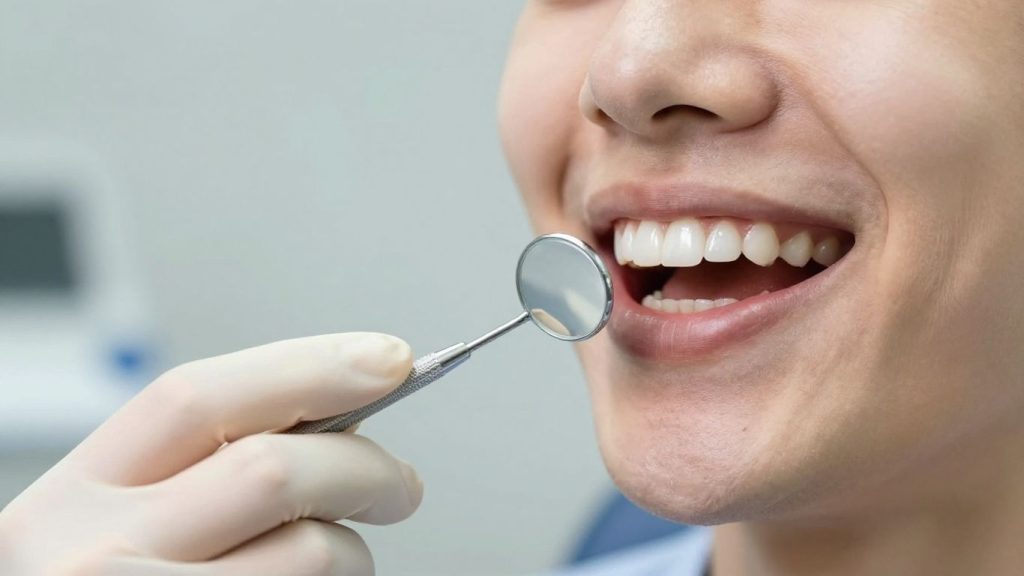
You know, taking care of your teeth isn’t just about having a nice smile. It’s actually a big part of your overall health. Think about it – your mouth is the gateway to the rest of your body. So, keeping it healthy means keeping the rest of you healthier too. Regular trips to the dentist might seem like a hassle, but they’re super important for making sure everything stays in good shape for the long haul. Let’s talk about why these check-ups really matter for your long-term oral health.
Understanding Long-Term Oral Health
Thinking about your mouth over the long haul means more than just avoiding a toothache. It’s about keeping your teeth and gums in good shape for years to come, which, believe it or not, is tied to your general health too. We’re talking about maintaining healthy gums long term and keeping your natural smile intact.
When we don’t pay attention to our mouths, little problems can snowball. Think about it: a tiny spot of decay can grow into a big cavity, and mild gum irritation can turn into something much more serious that affects the bone holding your teeth. It’s not just about how your teeth look; it’s about preventing infections that could potentially spread.
Here’s a quick look at why this matters:
Preventing tooth loss: This is a big one. Keeping your teeth means you can eat comfortably, speak clearly, and feel confident. Losing teeth can make simple things difficult.
Connecting to overall health: Research shows that problems in your mouth, especially gum issues, can be linked to other health concerns like heart disease and diabetes. Taking care of your mouth is a way of taking care of your whole body.
Saving money and hassle: Dealing with major dental work is expensive and time-consuming. Regular check-ups catch things when they’re small and easier (and cheaper!) to fix.
The Role of Preventive Dentistry
Preventive dentistry is all about staying ahead of problems before they even start. Think of it like regular maintenance for your car – you get the oil changed, and tires rotated to avoid a breakdown on the highway. Your mouth works the same way. Instead of waiting for a toothache or a cavity to show up, preventive care focuses on keeping things healthy.
This proactive approach is key to avoiding more serious and expensive dental work down the road. It’s not just about fixing what’s broken. It’s about building a strong foundation for your oral health that lasts a lifetime. Dentists offer services like fluoride treatments and sealants that act as shields for your teeth, making them tougher against decay. These aren’t complicated procedures; they’re simple additions to your regular visits that make a big difference.
Here are some of the main preventative dental care benefits:
Catching issues early: Dentists can spot tiny problems, like the start of a cavity or early signs of gum irritation, when they’re easiest to treat. This means less discomfort and often less cost.
Professional cleaning: Even with good brushing and flossing at home, plaque and tartar can build up. Professional cleanings remove this buildup, which is a major step in preventing cavities and gum disease.
Personalized advice: Your dentist can give you specific tips based on your mouth’s unique needs, helping you improve your at-home care routine.
By focusing on prevention, you’re not just taking care of your teeth and gums; you’re contributing to your overall well-being. It’s a smart way to manage your health and keep your smile looking and feeling its best. Making these regular appointments is a small commitment that pays off big time for your long-term oral health.
Key Benefits of Regular Dental Check-Ups
So, why bother with those regular dentist appointments? It turns out, the importance of consistent dental visits goes way beyond just getting your teeth cleaned. Think of it as a regular tune-up for your mouth, catching little things before they become big, expensive headaches.
Early Detection of Oral Health Issues
This is probably the biggest win. Your dentist has a trained eye for spotting problems you might not even notice. We’re talking about things like tiny cavities that are just starting, or early signs of gum trouble. Catching these early means simpler treatments, less discomfort, and usually, a lot less money spent. It’s like finding a small leak in your roof before it causes major water damage. Dentists also check for more serious stuff, like oral cancer, which is super important. Finding it early makes a huge difference in how well it can be treated.
Professional Cleaning and Plaque Removal
Even if you brush and floss like a champ, there are spots in your mouth that are hard to reach. Plaque can build up, and if it’s not removed, it hardens into tartar. Tartar is tough stuff that regular brushing just can’t get rid of. A professional cleaning gets rid of all that gunk, leaving your teeth feeling super smooth and clean. This really helps prevent cavities and keeps your gums from getting inflamed and sore.
Establishing a Personalized Oral Care Plan
Everyone’s mouth is different, right? What works for your friend might not be the best for you. During your check-ups, your dentist gets to know your mouth and your habits. They can then give you advice that’s just for you. Maybe you need a special toothpaste, or perhaps you should focus more on flossing a certain way.
Tailored advice: Get tips specific to your teeth and gums.
Product recommendations: Learn about the best brushes, pastes, or rinses for your needs.
Habit adjustments: Discuss ways to improve your daily routine for better results.
How Often Should You Visit the Dentist?
So, how often do you really need to pop into the dentist’s office? For most folks, the standard advice is to aim for a check-up every six months. Think of it like a regular tune-up for your car; it helps catch little things before they turn into big, expensive problems. This bi-annual schedule works well for keeping things in check for a lot of people.
However, it’s not a one-size-fits-all situation. Your dentist is the best person to figure out what’s right for you. They’ll look at your history, see if you’re prone to cavities, or if you’ve had any gum issues in the past. Based on all that, they might suggest coming in more or less often. It’s all about what your mouth needs. You can find more details on how your individual needs shape dental visit frequency.
Here’s a general idea of what might influence the timing:
High Risk for Cavities: If you get cavities often, you might need to go more than twice a year.
Gum Disease: If you’ve had gum problems, more frequent visits help keep it under control.
Existing Dental Work: Lots of fillings, crowns, or other work might mean closer monitoring.
Pregnancy: Hormonal changes can affect your gums, so extra care might be needed.
Certain Medical Conditions: Things like diabetes can impact your oral health, requiring more attention.
Ultimately, your dentist will create a plan just for you. Sticking to their recommendations is key to keeping your smile healthy for the long haul.
What to Expect During a Routine Dental Check-Up

So, you’re wondering what actually happens when you go in for a regular dental check-up? It’s not just about getting your teeth scraped, though that’s part of it. Think of it as a full-on health assessment for your mouth, and it’s a key part of your overall dental check-up schedule for well-being.
First off, they’ll likely take some X-rays. These are super important because they let the dentist see what’s going on beneath the surface – things like cavities starting between your teeth or checking the health of your jawbone. It’s a quick process, usually involving a small sensor placed in your mouth.
Then comes the cleaning. A hygienist will carefully remove plaque and tartar buildup that you just can’t get rid of with brushing and flossing alone. They’ll also floss your teeth and polish them, which helps get rid of surface stains and makes your teeth feel incredibly smooth. Sometimes, they might suggest a fluoride treatment to give your teeth an extra layer of protection against cavities.
After the cleaning, the dentist will do a thorough examination. This includes:
- Checking your teeth and gums for any signs of trouble, like early decay or gum inflammation.
- Performing an oral cancer screening. This is a quick, painless check for any unusual spots or lumps in your mouth and throat.
- Looking at your bite and jaw alignment.
- Discussing any concerns you might have and looking at your overall health, sometimes even checking your blood pressure, because your mouth health is linked to your body’s health.
Based on everything they find, they’ll talk with you about any necessary treatments or suggest ways to improve your home care routine. It’s all about creating a plan that works for you and keeps your smile healthy for the long haul.
Common Conditions Prevented Through Regular Visits

When you skip your regular dental appointments, you’re not just risking a little toothache. You’re opening the door to a whole host of problems that can get pretty serious, pretty fast. Think of your dentist as a detective for your mouth, spotting trouble before it even becomes a big deal.
Cavities and Tooth Decay
Cavities, or tooth decay, happen when the hard outer layer of your tooth starts to break down. This is usually caused by bacteria in your mouth feeding on sugars from food and drinks, producing acids that eat away at your enamel. If left unchecked, a small cavity can grow, reaching the inner parts of your tooth and causing pain, infection, and eventually, the need for more involved treatments like root canals or even tooth extraction. Regular check-ups allow your dentist to find these early signs, often before you even feel them. They can then apply treatments, like fluoride or a simple filling, to stop the decay in its tracks. It’s way easier and cheaper to fix a tiny spot than a big hole.
Gum Disease Prevention
Gum disease, also known as periodontal disease, is a major player in tooth loss for adults. It starts with gingivitis, where your gums get red, swollen, and might bleed when you brush. This is usually due to plaque and tartar buildup that irritates your gums. If gingivitis isn’t treated, it can turn into periodontitis. This is where the gums pull away from the teeth, forming pockets that collect more bacteria. Over time, these bacteria and the body’s own inflammatory response start to break down the bone and connective tissue holding your teeth in place. Preventing gum disease is a huge reason to see your dentist regularly. They can professionally clean away that stubborn tartar that brushing and flossing at home just can’t reach, and they can spot the early signs of gingivitis, helping you reverse it before it gets bad. Keeping your gums healthy is also linked to your overall health; issues in the mouth can affect the rest of your body, so it’s a win-win.
Here’s a quick look at what happens:
- Plaque Buildup: This sticky film forms constantly on your teeth. It’s full of bacteria.
- Tartar Formation: If plaque isn’t removed, it hardens into tartar, which is much harder to get rid of.
- Gingivitis: The first stage of gum disease, characterized by inflamed, bleeding gums.
- Periodontitis: Advanced gum disease, leading to bone loss and potential tooth loss.
Regular cleanings and check-ups interrupt this cycle, keeping your mouth healthier and preventing these conditions from taking hold. It’s a simple step that makes a big difference for your long-term oral health.
Tips for Maintaining Long-Term Oral Health Between Visits
Keeping your mouth healthy between dental appointments is just as important as going to the dentist. It’s all about consistent daily habits that support oral hygiene for lasting tooth health. Think of it as a partnership between you and your dentist – they do their part during visits, and you do yours every day.
Brushing and flossing are your daily defense against problems. Make sure you’re brushing at least twice a day, using a soft-bristled brush and fluoride toothpaste. Don’t forget to get to those tricky spots, especially along the gum line and the backs of your teeth. Flossing daily is non-negotiable; it gets rid of food bits and plaque that your toothbrush can’t reach, which is key for preventing gum issues and cavities.
Here’s a quick rundown of what to focus on:
- Brush thoroughly: Spend at least two minutes each time, covering all surfaces of your teeth.
- Floss daily: Gently slide the floss between teeth and curve it around the base of each tooth.
- Consider mouthwash: An antimicrobial mouthwash can help reduce bacteria, but it’s not a replacement for brushing and flossing.
- Watch what you eat and drink: Limit sugary snacks and drinks, and acidic foods that can wear down enamel. Water is your best friend for rinsing your mouth throughout the day.
Don’t forget to swap out your toothbrush every three to four months, or sooner if the bristles look worn. A worn-out brush just isn’t effective. If you find traditional flossing a bit challenging, there are other tools like interdental brushes or water flossers that can help you clean between your teeth effectively. These simple, consistent actions are the bedrock of maintaining a healthy smile long after you’ve left the dental chair.
Keeping your smile healthy between dental check-ups is super important. Simple habits like brushing twice a day and flossing daily make a big difference. Remember to also eat healthy foods and avoid too much sugar. For more great advice on how to keep your teeth strong and healthy, visit our website today!
So, What’s the Takeaway?
Look, nobody really loves going to the dentist, right? It’s not exactly a trip to the spa. But when you think about it, those regular visits are like a small investment that pays off big time. Catching a tiny cavity now is way better than dealing with a root canal later. Plus, keeping your mouth healthy is tied to your whole body’s health, which is pretty important. So, don’t put it off. Schedule that appointment. Your future self, and your wallet, will probably thank you.
Frequently Asked Questions
Why are regular dental visits so important?
Think of regular dental visits like getting your car tuned up. They help catch small problems before they turn into big, expensive ones. Dentists can spot issues like cavities or gum problems when they’re just starting, making them much easier to fix and keeping your smile healthy for a long time.
How often should I really go to the dentist?
For most people, visiting the dentist every six months is a good rule of thumb. This helps make sure everything stays in good shape. However, your dentist might suggest coming in more often if you have specific dental needs or are at higher risk for certain issues.
What happens during a regular dental check-up?
During a check-up, your dentist will look closely at your teeth and gums for any signs of trouble. They’ll also give your teeth a thorough cleaning to get rid of plaque and tartar that brushing might miss. Sometimes, they’ll even do a quick screening for things like oral cancer.
Can going to the dentist prevent cavities?
Absolutely! Regular cleanings remove the sticky stuff called plaque that causes cavities. Plus, your dentist can spot early signs of decay and fix them with a simple filling before they become a bigger problem that hurts and costs more to repair.
What’s the big deal about gum disease?
Gum disease starts when plaque irritates your gums. If it’s not treated, it can make your gums bleed, cause bad breath, and even lead to losing teeth! Regular check-ups help catch it early, often before you even notice any symptoms.
Does my mouth health affect my body’s health?
Yes, it really does! Problems in your mouth, like gum disease, have been linked to other health issues in your body, such as heart disease and diabetes. Keeping your mouth healthy with regular dental visits is an important part of staying healthy overall.